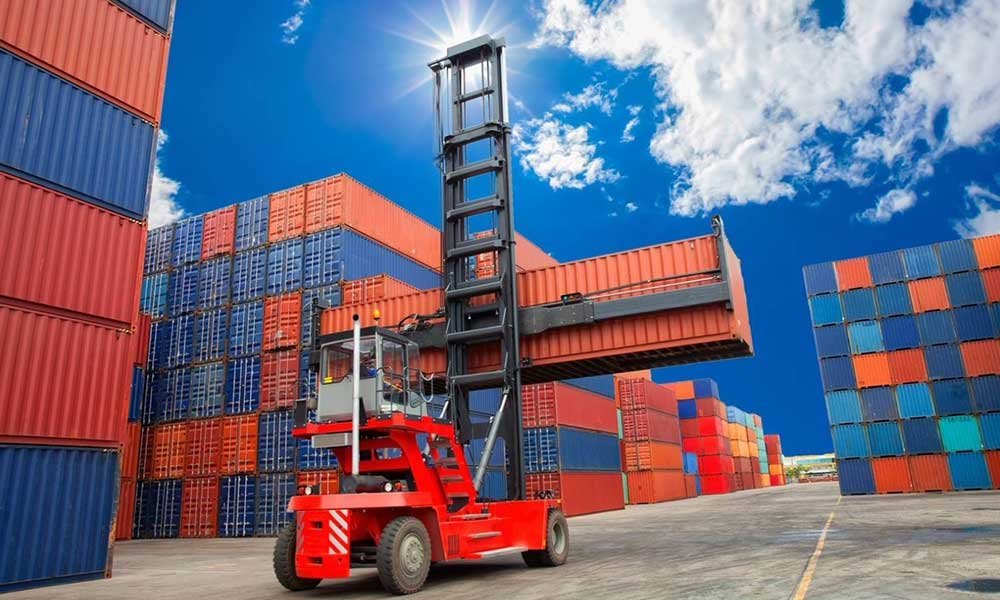
International trade has become an essential part of today’s global economy. Every day, millions of products cross international borders by air, sea, road, and rail. However, before any shipment can legally enter or leave a country, it must comply with customs regulations. This is where customs brokerage plays a critical role.
Whether you are importing raw materials, exporting finished products, or transporting high-value cargo, understanding customs procedures is essential for avoiding unnecessary delays, financial penalties, and operational disruptions.
In this guide, we explain what customs brokerage is, how it works, and why partnering with an experienced customs broker can significantly improve your international logistics operations.
What Is Customs Brokerage?
Customs brokerage is a professional service that manages the customs clearance process for importers and exporters. A customs broker acts as the intermediary between businesses and customs authorities, ensuring that every shipment complies with the laws, regulations, and documentation requirements of the destination and origin countries.
A customs broker prepares and submits customs declarations, verifies commercial documents, calculates applicable duties and taxes, classifies goods under the correct HS (Harmonized System) code, and communicates with customs officials throughout the clearance process.
Rather than simply submitting paperwork, customs brokerage involves regulatory expertise, risk management, and operational coordination.
Why Is Customs Brokerage Important?
International customs regulations are constantly changing. Incorrect documentation, inaccurate product classification, or missing certificates can result in shipment delays, additional inspections, financial penalties, or even cargo seizure.
Professional customs brokerage helps businesses by:
- Ensuring compliance with customs regulations
- Reducing border delays
- Minimizing customs-related risks
- Preventing costly documentation errors
- Improving supply chain efficiency
- Supporting international trade growth
For businesses that frequently import or export goods, professional customs support often leads to significant savings in both time and operational costs.
What Does a Customs Broker Do?
A customs broker is responsible for coordinating every stage of the customs clearance process.
Typical responsibilities include:
- Reviewing commercial invoices and packing lists
- Preparing import and export declarations
- Classifying products using the correct HS code
- Calculating customs duties and taxes
- Coordinating customs inspections
- Managing communication with customs authorities
- Monitoring regulatory updates
- Advising clients on import and export compliance
Many customs brokers also work closely with freight forwarders, shipping companies, warehouses, and logistics providers to ensure smooth cargo movement.
The Customs Clearance Process
Although procedures vary between countries, a typical customs clearance process includes the following steps:
1. Document Preparation
Before goods arrive at the border, all required commercial documents must be prepared and verified.
These may include:
- Commercial Invoice
- Packing List
- Bill of Lading or Air Waybill
- Certificate of Origin
- Insurance Documents
- Import or Export Permits
2. Product Classification
Every product must be assigned the correct Harmonized System (HS) code.
This classification determines:
- Customs duties
- Import restrictions
- Export controls
- Required permits
- Trade statistics
Incorrect classification is one of the most common causes of customs disputes.
3. Customs Declaration
The customs broker submits the customs declaration electronically through the national customs system.
Authorities review the declaration and compare it with the supporting documents.
4. Customs Inspection
Depending on the shipment’s risk profile, customs authorities may conduct:
- Documentary inspection
- Physical inspection
- X-ray scanning
- Laboratory testing for certain products
Most compliant shipments are released quickly, while higher-risk cargo may require additional verification.
5. Duty and Tax Payment
Applicable customs duties, VAT, and other government charges must be settled before goods can be released.
Professional customs brokers ensure that these payments are calculated accurately according to current regulations.
6. Cargo Release
Once customs requirements have been fulfilled, the shipment is officially released and can continue to its final destination.
Common Challenges in Customs Clearance
Businesses involved in international trade frequently encounter issues such as:
- Incorrect HS classification
- Missing documentation
- Regulatory changes
- Customs valuation disputes
- Import licensing requirements
- Unexpected inspections
- Delayed shipments
Many of these problems can be avoided through careful planning and professional customs management.
Benefits of Working with a Professional Customs Broker
Partnering with an experienced customs brokerage company provides several advantages.
Businesses can expect:
- Faster customs clearance
- Reduced administrative workload
- Better compliance with international regulations
- Lower risk of customs penalties
- Improved supply chain visibility
- Professional guidance for complex shipments
- Support for special customs procedures
For companies engaged in regular international trade, these benefits contribute to greater operational efficiency and long-term cost savings.
Customs Brokerage in Turkey
Turkey serves as a strategic logistics hub connecting Europe, Asia, and the Middle East. Its growing trade volume makes efficient customs procedures increasingly important for importers and exporters.
Companies trading through Turkish ports, airports, and border crossings must comply with national customs legislation while also meeting international trade requirements.
Working with an experienced customs brokerage partner helps businesses navigate these procedures more efficiently and maintain uninterrupted supply chains.
How Online Gümrük Supports International Trade
At Online Gümrük, we provide professional customs brokerage and logistics solutions for businesses engaged in international trade.
Our services include:
- Import customs clearance
- Export customs clearance
- Customs consulting
- HS code guidance
- Customs documentation support
- Precious metals logistics
- Warehousing solutions
- International freight coordination
Our experienced team works closely with clients to simplify customs procedures, reduce operational risks, and ensure shipments move efficiently across international borders.
Frequently Asked Questions
What is the difference between customs brokerage and freight forwarding?
A freight forwarder manages the transportation of goods, while a customs broker manages customs compliance and clearance procedures.
Is a customs broker legally required?
Requirements vary by country. However, many businesses choose to work with customs brokers because of the complexity of customs regulations.
What documents are usually required for customs clearance?
Typical documents include a commercial invoice, packing list, transport document, certificate of origin, permits (when required), and the customs declaration.
Can incorrect customs declarations cause delays?
Yes. Errors in documentation or product classification are among the most common reasons for customs delays and additional inspections.
Conclusion
Customs brokerage is a critical component of international trade. Accurate documentation, proper product classification, regulatory compliance, and effective communication with customs authorities all contribute to efficient cargo movement.
Whether your company imports raw materials, exports finished products, or manages complex international supply chains, professional customs brokerage can help reduce risks, save time, and improve operational efficiency.
Choosing an experienced customs partner ensures that your shipments move smoothly across borders while remaining fully compliant with applicable customs regulations.