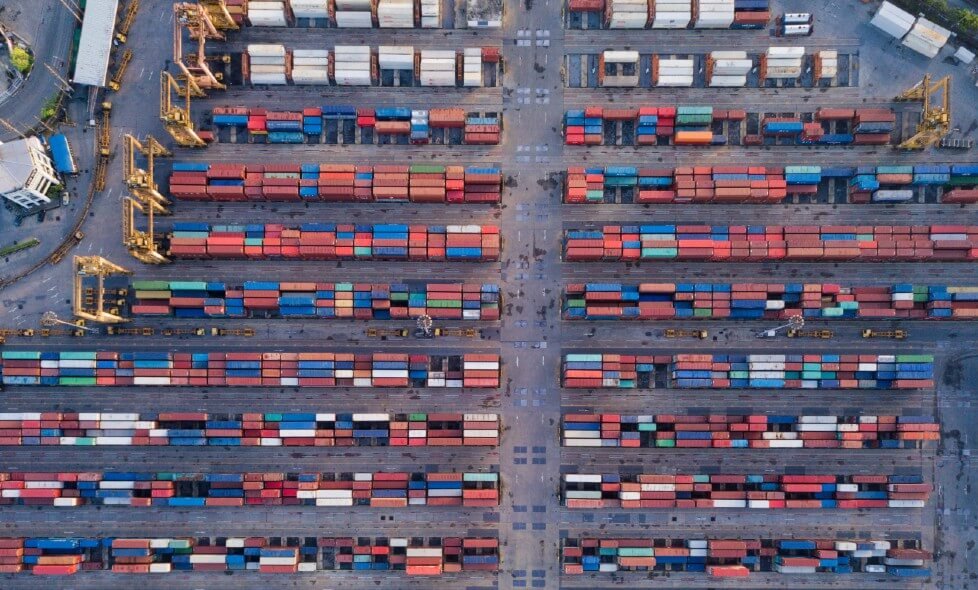
International trade depends on the efficient movement of goods across borders. Before any shipment can enter or leave a country, it must pass through customs clearance—a legal process that ensures imported and exported goods comply with national regulations.
For businesses involved in international trade, understanding customs clearance is essential. Delays, incorrect documentation, or regulatory non-compliance can increase costs, disrupt supply chains, and negatively impact customer satisfaction.
This guide explains each stage of the customs clearance process and highlights how businesses can avoid common challenges.
What Is Customs Clearance?
Customs clearance is the official procedure through which customs authorities review shipments entering or leaving a country. During this process, officials verify that all required documentation is complete, duties and taxes are correctly calculated, and the goods comply with applicable import or export regulations.
Once customs authorities approve the shipment, the cargo is released for delivery to its final destination.
Although the exact procedures vary between countries, the overall customs clearance process follows a similar structure worldwide.
Step 1: Preparing the Required Documents
The customs clearance process begins long before the shipment reaches the border. Preparing accurate documentation is one of the most important responsibilities for exporters and importers.
Typical documents include:
- Commercial Invoice
- Packing List
- Bill of Lading or Air Waybill
- Certificate of Origin
- Insurance Certificate (if applicable)
- Import or Export Licenses
- Product Certificates
- Customs Declaration
Even minor errors in these documents can delay clearance or trigger additional inspections.
Step 2: Product Classification
Every product traded internationally must be classified using the Harmonized System (HS) Code, also known as the GTIP Code in Turkey.
This classification determines:
- Customs duties
- Import taxes
- Trade restrictions
- Licensing requirements
- Statistical reporting
Choosing the wrong HS code may result in incorrect duty payments, customs penalties, or shipment delays. Professional customs brokers carefully review product specifications to ensure accurate classification.
Step 3: Customs Declaration Submission
Once the documentation has been prepared, the customs declaration is submitted electronically through the national customs system.
The declaration contains detailed information about:
- Importer or exporter
- Product description
- Quantity and value
- Country of origin
- HS code
- Transportation method
- Customs procedure
Customs authorities use this information to assess the shipment and determine whether additional checks are required.
Step 4: Customs Risk Assessment
Modern customs administrations use electronic risk management systems to evaluate incoming shipments.
Based on factors such as the product type, country of origin, shipment value, and importer history, the shipment may be assigned to different inspection channels.
Low-risk shipments are often released quickly, while higher-risk cargo may undergo further examination.
Risk assessment helps customs authorities focus resources on shipments that require additional attention while facilitating legitimate trade.
Step 5: Customs Inspection
Depending on the results of the risk assessment, customs authorities may perform one or more inspections.
These may include:
- Document verification
- Physical cargo inspection
- Container X-ray scanning
- Sample collection
- Laboratory testing
Most shipments are cleared without major issues when documentation is complete and accurate.
Step 6: Duty and Tax Assessment
After reviewing the shipment, customs authorities calculate the applicable financial obligations.
These may include:
- Customs Duty
- Value Added Tax (VAT)
- Anti-Dumping Duties (where applicable)
- Additional Government Charges
- Processing Fees
Accurate customs valuation is essential because duties are often calculated based on the declared customs value of the goods.
Step 7: Payment and Customs Release
Once duties, taxes, and applicable fees have been paid, customs authorities issue cargo release approval.
The shipment can then leave the customs area and continue to its warehouse, distribution center, or final customer.
For exporters, customs clearance confirms that the goods have legally exited the country.
Common Reasons for Customs Delays
Many customs delays can be avoided through proper preparation.
The most common causes include:
- Missing commercial documents
- Incorrect HS code classification
- Inconsistent invoice information
- Incorrect customs value declaration
- Missing import permits
- Product certification issues
- Customs inspections
- Regulatory compliance problems
Working with experienced customs professionals helps businesses identify and resolve these issues before the shipment reaches customs.
Best Practices for Faster Customs Clearance
Businesses can improve customs efficiency by following several best practices:
- Prepare documents before shipment.
- Verify product classifications carefully.
- Maintain accurate commercial records.
- Stay informed about changing customs regulations.
- Communicate closely with logistics partners.
- Work with experienced customs brokers.
- Respond quickly to customs requests.
These practices reduce delays and help maintain reliable international supply chains.
The Role of Technology in Modern Customs Clearance
Many customs authorities now use digital platforms for declarations, document verification, and risk assessment.
Electronic customs systems offer several advantages:
- Faster document processing
- Improved accuracy
- Better shipment tracking
- Reduced paperwork
- Greater transparency
- More efficient communication between businesses and customs authorities
Digital customs procedures continue to simplify international trade while improving regulatory compliance.
How Online Gümrük Can Help
At Online Gümrük, we support businesses throughout every stage of the customs clearance process.
Our services include:
- Import customs clearance
- Export customs clearance
- Customs consulting
- Documentation preparation
- HS code classification support
- Customs compliance guidance
- Warehousing solutions
- International freight coordination
By combining customs expertise with logistics experience, we help clients reduce delays, improve compliance, and keep international shipments moving efficiently.
Frequently Asked Questions
How long does customs clearance usually take?
Clearance times vary depending on the country, shipment type, documentation quality, and whether customs inspections are required. Proper documentation generally speeds up the process.
Can shipments be inspected by customs?
Yes. Customs authorities may conduct document reviews, physical inspections, X-ray scans, or laboratory tests depending on the shipment’s risk profile.
Who is responsible for customs clearance?
The importer or exporter is legally responsible for customs compliance, but many businesses appoint licensed customs brokers to manage the process on their behalf.
Why is accurate documentation important?
Accurate documentation helps customs authorities process shipments efficiently, reduces the likelihood of inspections, and minimizes the risk of penalties or delays.
Conclusion
Customs clearance is one of the most important stages of international trade. A successful clearance process depends on accurate documentation, proper product classification, regulatory compliance, and effective coordination between businesses, logistics providers, and customs authorities.
Understanding each step of the process enables companies to reduce delays, avoid unnecessary costs, and maintain reliable global supply chains. With the support of experienced customs professionals, businesses can navigate international trade with greater confidence and operational efficiency.